August 24, 2026
Theproduction of a limited-edition sculptureis a process in which creation, technique, and material are closely intertwined. From the development of the original work through production, finishing, and the identification of each piece, every stage contributes to preserving the piece’s identity and the criteria defined by the artist.
The Process of Creating a Sculpture
Every sculpture begins with an idea that gradually takes shape. Sketches, drawings, scale models, physical models, or digital files allow the artist to study the proportions, volumes, balance, and the relationship the future work will have with its surroundings.
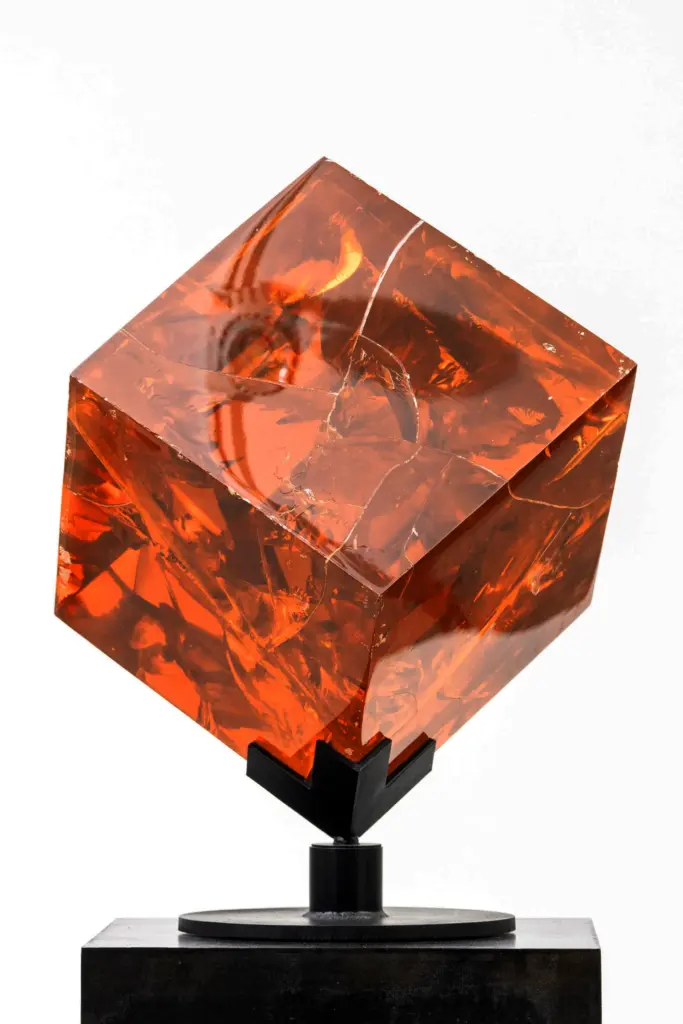
In this initial phase ofthe sculpture-making process, decisions are also made regarding materials and production techniques. Working with wood, metal, glass, resin, or a combination of different materials is not merely a technical matter. Each choice influences the sculpture’s presence, its relationship with light, its texture, its weight, and the way it will be perceived.
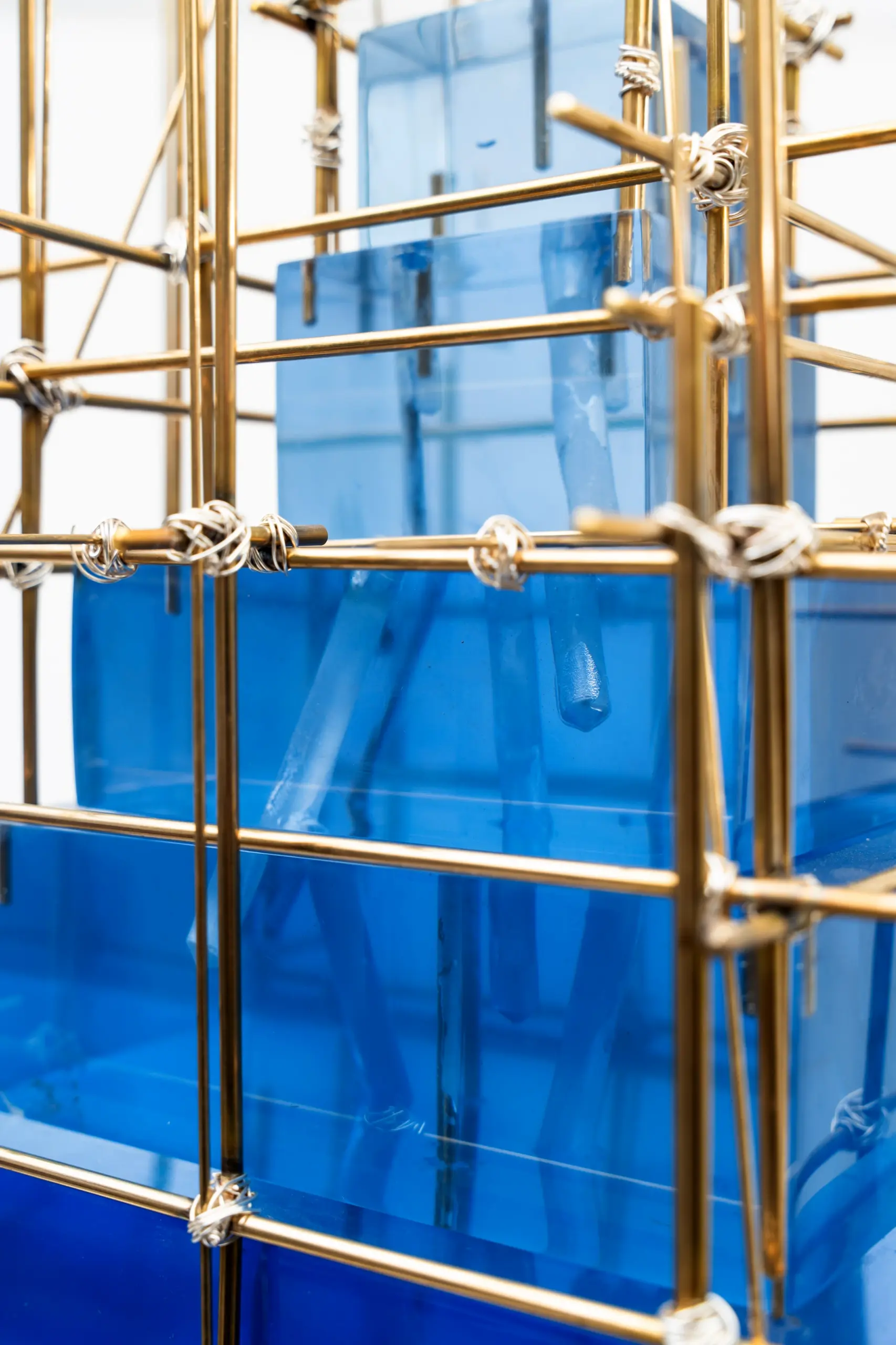
In many projects, technical development is part of the creative process itself. An idea, a maquette, or a digital model must be transformed into a physically viable, stable work that remains true to the artist’s intention. This may require studying structures, thicknesses, joints, assembly systems, material behavior, scaling, or specific manufacturing solutions.
Production, therefore, begins long before the first piece is made. The research, prototyping, and decisions made during the work’s development are all part of the final result and of the way we understand contemporary sculpture.
From the original model to the production of a limited edition
When asculpture is conceived as a limited edition, the artist determines in advance how many copies will be included in the edition. Based on the original model, the process begins that will allow the various pieces to be produced in accordance with the criteria established for the work.
Depending on the materials, dimensions, and characteristics of each sculpture, its production may involvecasting, machining, cutting, welding, assembly, forming, digital processes,or various artisanal and industrial techniques.
There is no single procedure for creating a sculpture. The technique must be adapted to each project, and in many cases, different processes coexist within a single work.
The goal is not simply to reproduce a form. Each piece in a limited edition must adhere to the proportions, materials, finishes, and design choices established by the artist in order to preserve the work’s identity.
Production and Finishing of Each Sculpture
Although several sculptures may be part of the same edition,each piece requires its own production and finishing process.
Once the various components of the artwork have been obtained, a phase of assembly, adjustment, and finishing begins, during which technical and manual work once again plays a fundamental role.
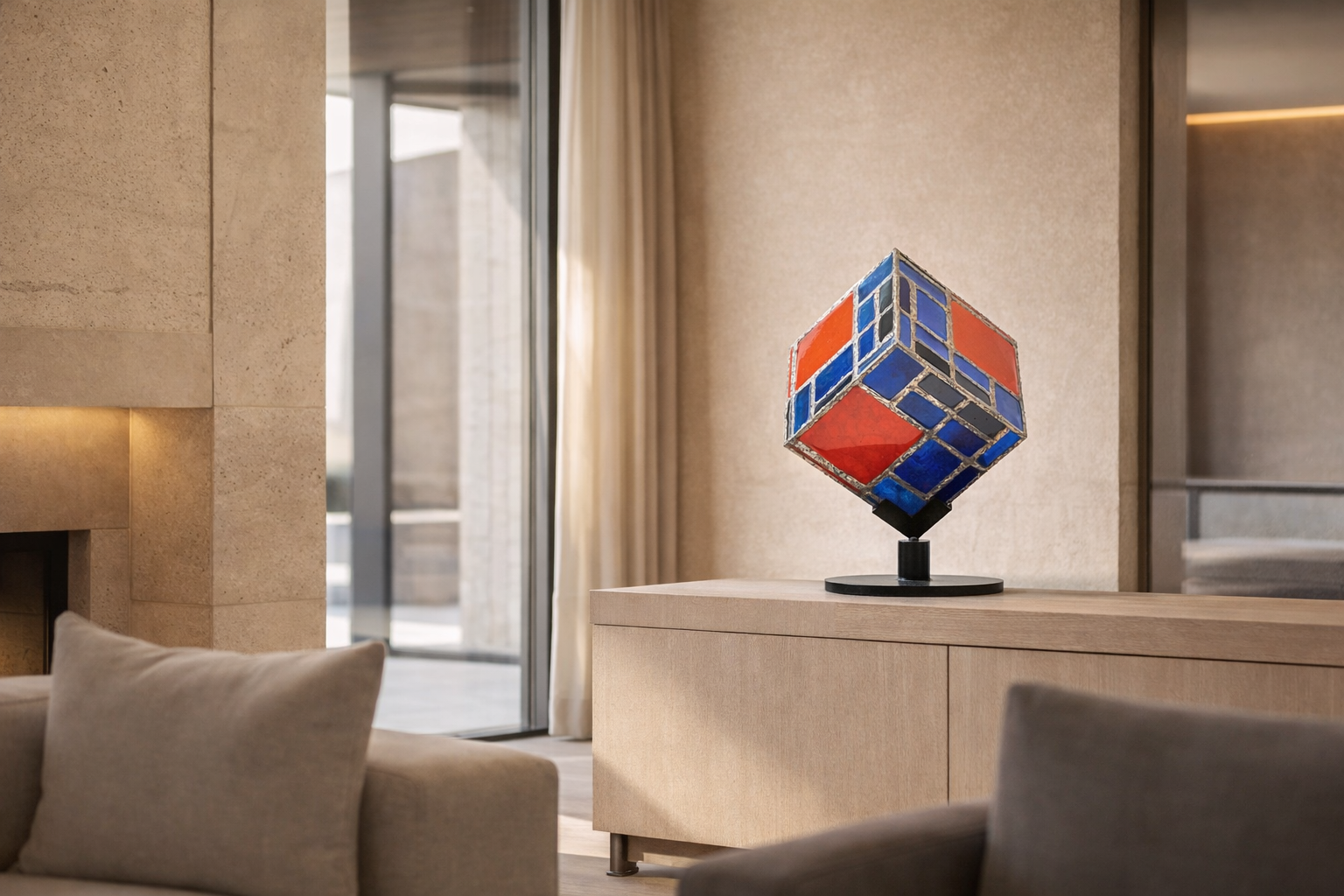
Polishing a surface, welding or assembling different elements, adjusting a joint, applying a patina, applying a paint finish, or checking the balance of a structure are processes that directly influence the final result.
In addition, certain materials exhibit characteristics and slight variations inherent to their very nature. These unique qualities may cause each copy to have its own subtle nuances without altering the unity of the edition or the identity of the work.
The existence of multiple copies does not, therefore, diminish the unique nature of the sculptural process. Although certain phases may involve technological or industrial processes, the assembly, adjustments, finishing touches, and supervision of each piece continue to be an essential part of its production.
How is a limited-edition sculpture numbered?
A limited edition specifies aspecific number of copies from the outset.
Each sculpture is identified by a number that indicates its position within the edition. Thus, a piece identified as2/10corresponds to the second copy in a limited edition of ten sculptures.
This numbering system identifies each work within the edition, although it does not necessarily reflect the exact chronological order in which the various copies were produced.
In addition to the numbered copies, there may be other pieces related to the project,such asartist’s proofs, typically identified as P.A.These are part of the edition in a broad sense, although they are not included in the regular numbering assigned to the copies in the series.
Depending on the project, there may also be other specific terms, which must be clearly identified and documented.
The numbering is usually accompanied by the corresponding documentation and acertificate of authenticity, which includes the information necessary to identify the work: artist, title, materials, dimensions, number, and which edition it belongs to.
Numbering, artist's proofs, and documentation are not mere after-the-fact formalities. They are part of thesculpture's traceabilityand provide a clear understanding of how each edition is composed.
Sculpture Production at DELAFUENTEART PROJECT
At DELAFUENTEART PROJECT, we view thecreation of sculptures as an extension of the creative process itself.
Each project can range from initial research and prototyping to the selection of materials, technical solutions, the adaptation of manufacturing processes, production, and final finishes.
Our work also involves transforming an artistic vision into a physically feasible work without losing the identity envisioned by the artist. This may require studies of scaling, structures, thicknesses, joints, assembly systems, material behavior, or specific production solutions.
This process combinesartistic knowledge, technical expertise, traditional craftsmanship, engineering, and contemporary manufacturing technologies, tailoring the necessary resources to the characteristics of each work.
In limited-edition sculptures, each piece is produced and supervised to ensure the identity of the work and the quality of craftsmanship across the entire series. Numbering and documentation complete the process and allow each sculpture to be individually identified.
This model allows for the development and productionof artist-created sculptures in limited, numbered editions, while maintaining direct control over the various stages of production.
Understanding how a sculpture is created also helps us grasp part of the nature of contemporary sculpture: a discipline in which the idea cannot be separated from the material or from the way in which it is transformed.
Each piece thus originates from the same artistic project, but it still requires materials, technical expertise, labor, and supervision to become a finished work.
That combination ofartistic intent and technical skillis an essential part of contemporary sculpture.