September 8, 2026
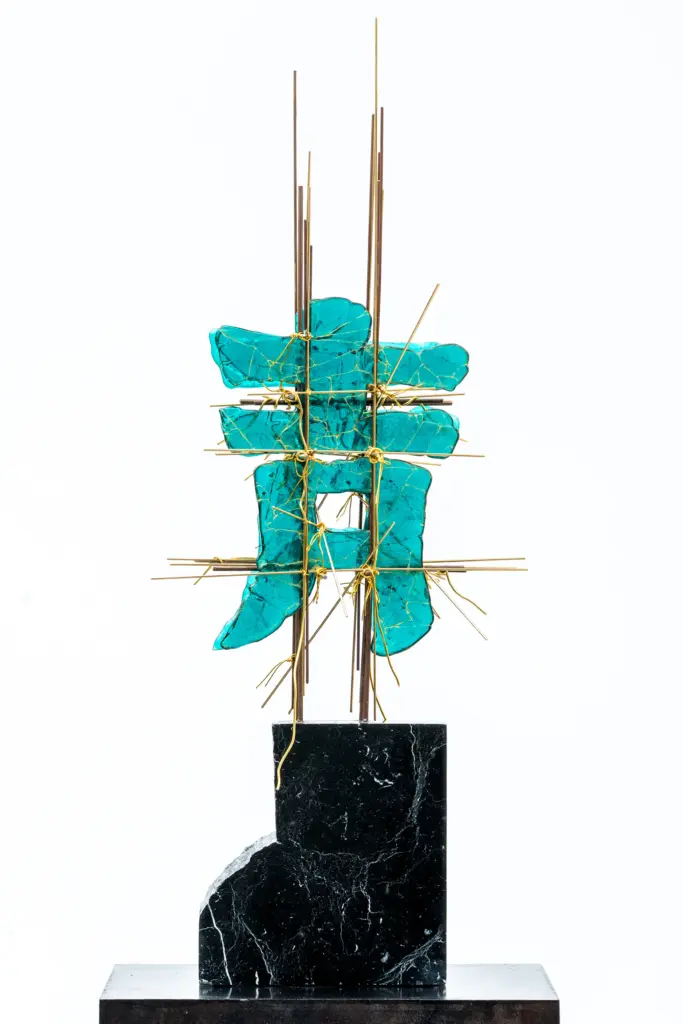
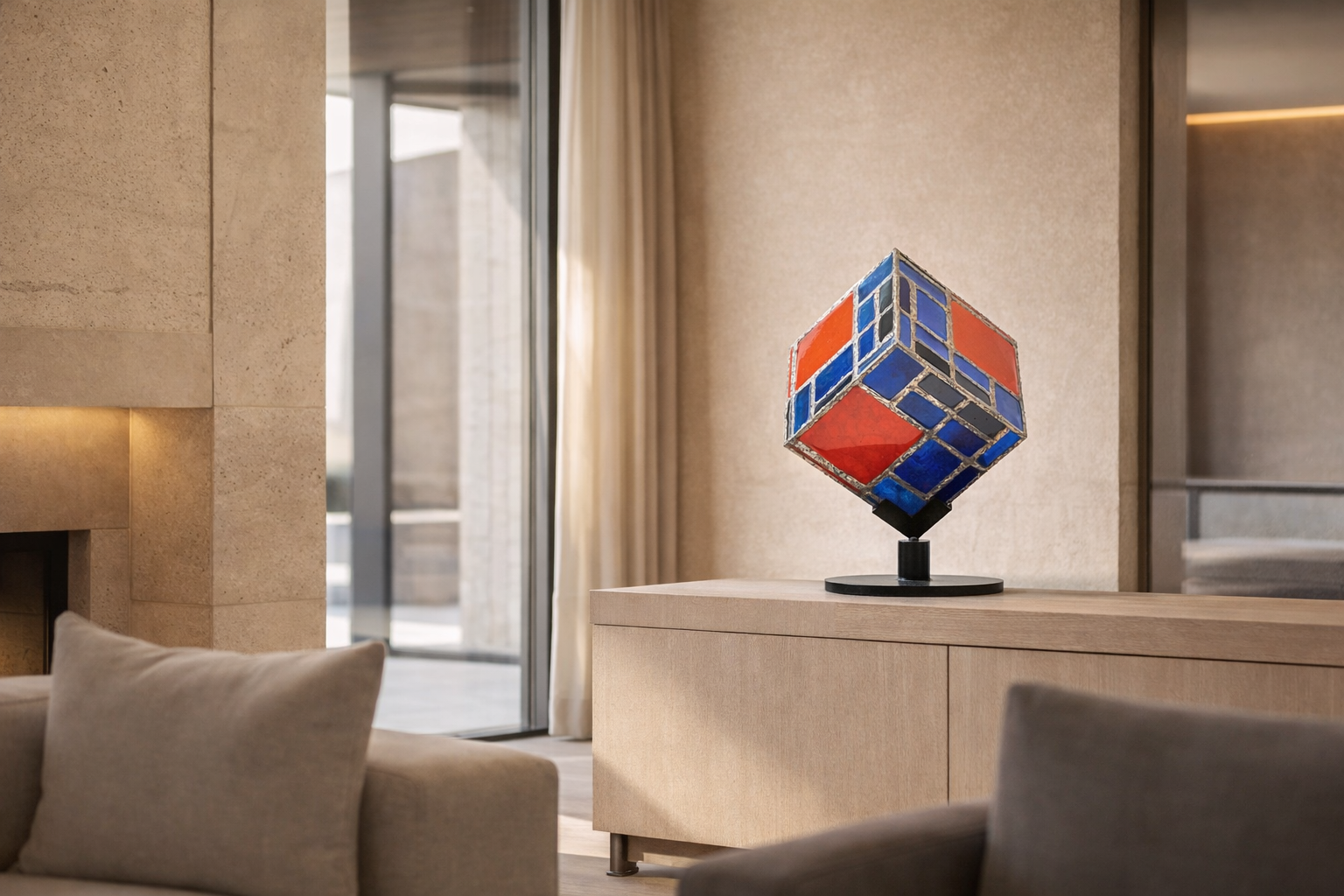
A sculpture can completely transform a space, even though it may not have been created to decorate it. This is where one of the fundamental differences lies between a piece conceived primarily for aesthetic purposes and a work that arises from an artist’s artistic language.
The boundary is not always clear, nor does it depend solely on materials, size, technique, or price. It lies, above all, in the work’s origin, in the intention with which it was created, and in its relationship with its creator.
The Role of Decorative Art
One of the main goals of decorative art is to add aesthetic value to a space. Shapes, colors, materials, and dimensions are selected based on their visual impact and how they relate to the environment into which they will be integrated.
A decorative piece can reflect a contemporary, minimalist, classic, or experimental style and may even become one of the focal points of a room.
Its ability to complement, enhance, or visually transform a space is an essential part of its purpose.
In addition, many decorative pieces are designed from the outset to be reproduced using either artisanal or industrial processes. A single design can be produced in different sizes, materials, colors, or finishes and manufactured in relatively large quantities.
This does not mean that they lack design, creativity, or quality. The difference lies primarily in the intention behind their creation.
What sets a signature sculpture apart?
An artist's sculpture arises from the artist's artistic language and research.
Form, matter, volume, emptiness, balance, texture, and even the work’s relationship to space become tools for expressing an idea, a sensation, or a particular way of understanding the world.
A sculpture can be figurative or abstract, monumental or small-scale, created using traditional techniques or contemporary materials and technologies. None of these characteristics alone determines its status as a work of art.
The fundamental difference lies in why that work exists.
A sculpture is part of an artist's career and creative world. It does not arise solely to occupy a specific space, although it may subsequently become integrated into that space and profoundly transform it.
That is why two seemingly similar objects may in fact stem from completely different approaches: one may have been designed primarily to serve an aesthetic purpose, while the other may be the result of artistic research conducted over many years.
Trends and Continuity
Design and decorative art are typically closely linked to the aesthetic trends of each era. Colors, materials, finishes, and shapes evolve and can cause certain objects to be associated with a specific era or movement.
An artist's sculpture also inevitably belongs to the era in which it was created, but its origin need not be dictated by a trend.
The artist develops a unique artistic language that may evolve over the course of his or her career and that establishes connections between one work and another.
It is precisely this continuity that allows a sculpture to retain its ability to communicate and create an experience long after the moment it was created.
It's not necessarily about remaining oblivious to trends, but rather that their meaning shouldn't depend solely on them.
Decorative value and artistic value
A signature sculpture can have extraordinary decorative value. It can define the character of a home, complement the architecture, or become the focal point of a space.
But its value doesn't end there.
In a work by a specific artist, factors such as the artist’s identity and career, the context in which the work was created, its uniqueness, its provenance, the production process, and, when applicable, its status as part of a limited edition all come into play.
In serial works, moreover, the edition takes on special significance. The number of copies, the artist’s proofs, the identification of each piece, and the associated documentation are all part of the work’s history and traceability.
All of this introduces an artistic, cultural, and collectible dimension that transcends its aesthetic function.
For this reason, understanding a sculpture means looking beyond its appearance. It means understanding who created it, where it comes from, what its context is, and what place it occupies within the artist's body of work.
The material is also part of the artwork
In sculpture, the choice of material is rarely a purely technical decision.
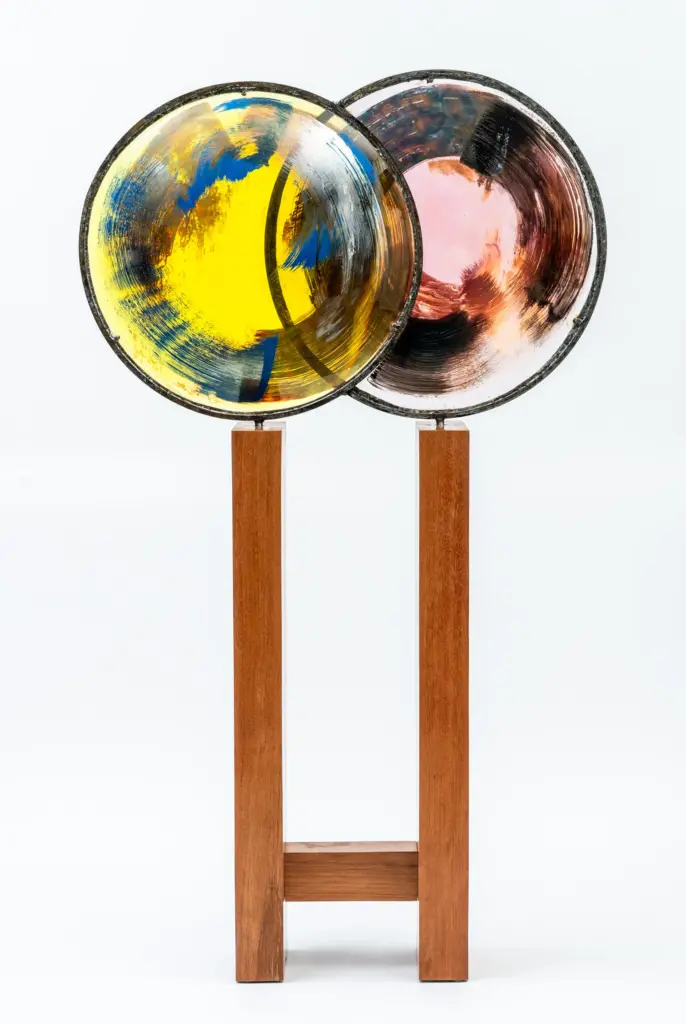
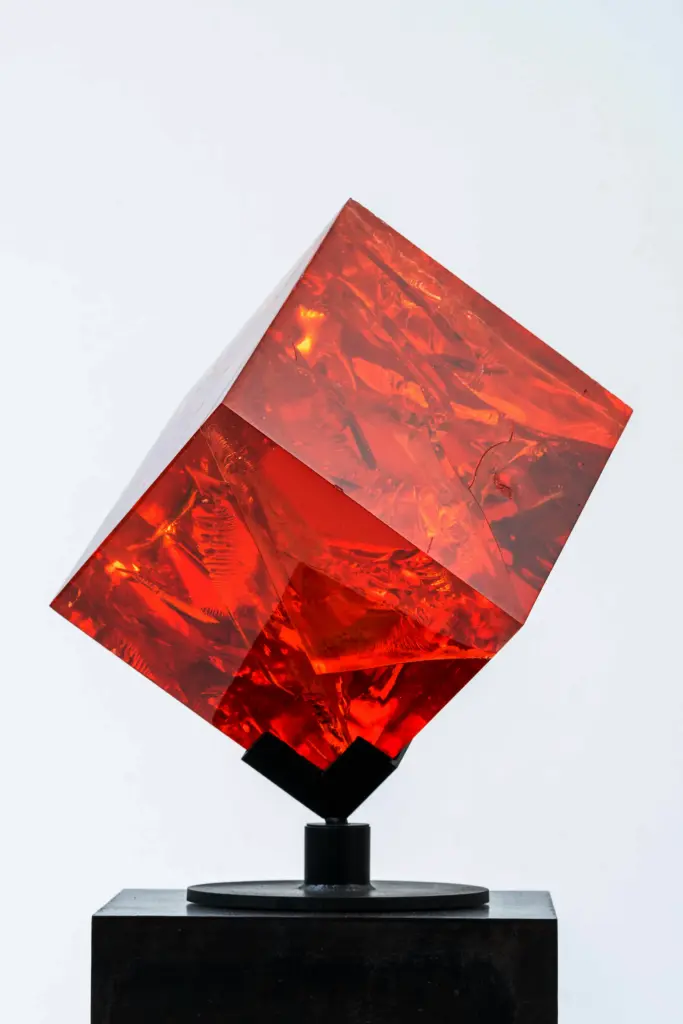
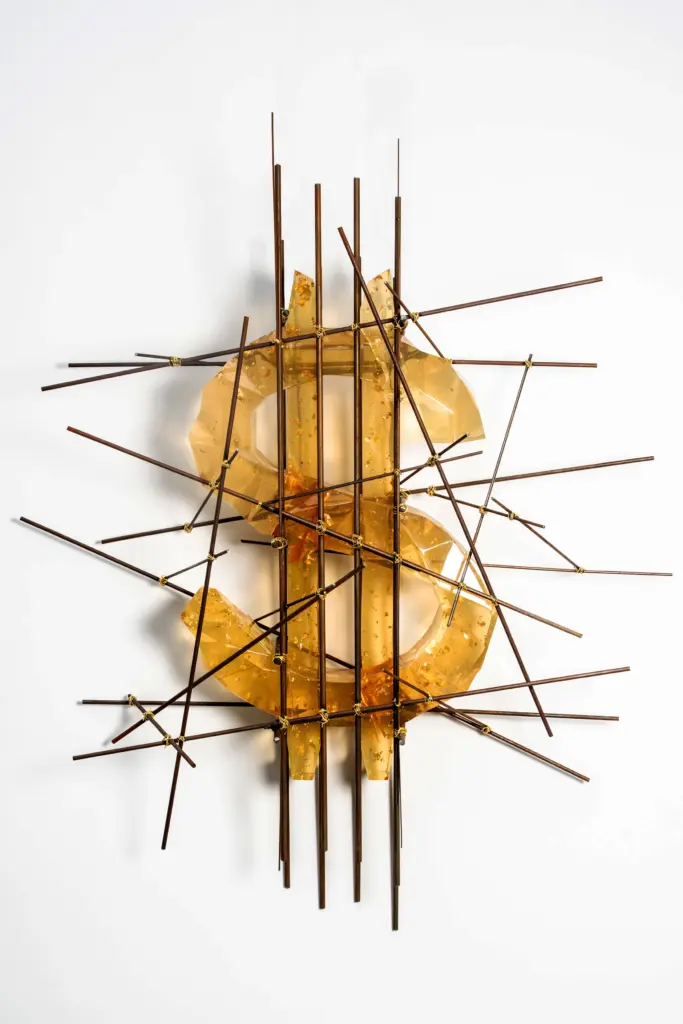
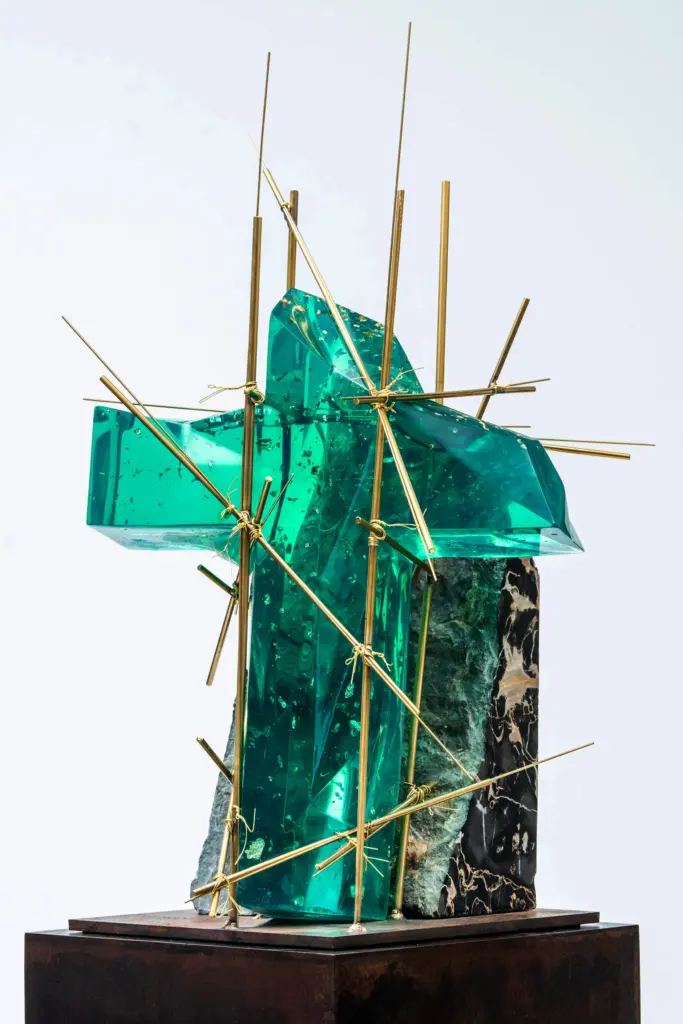
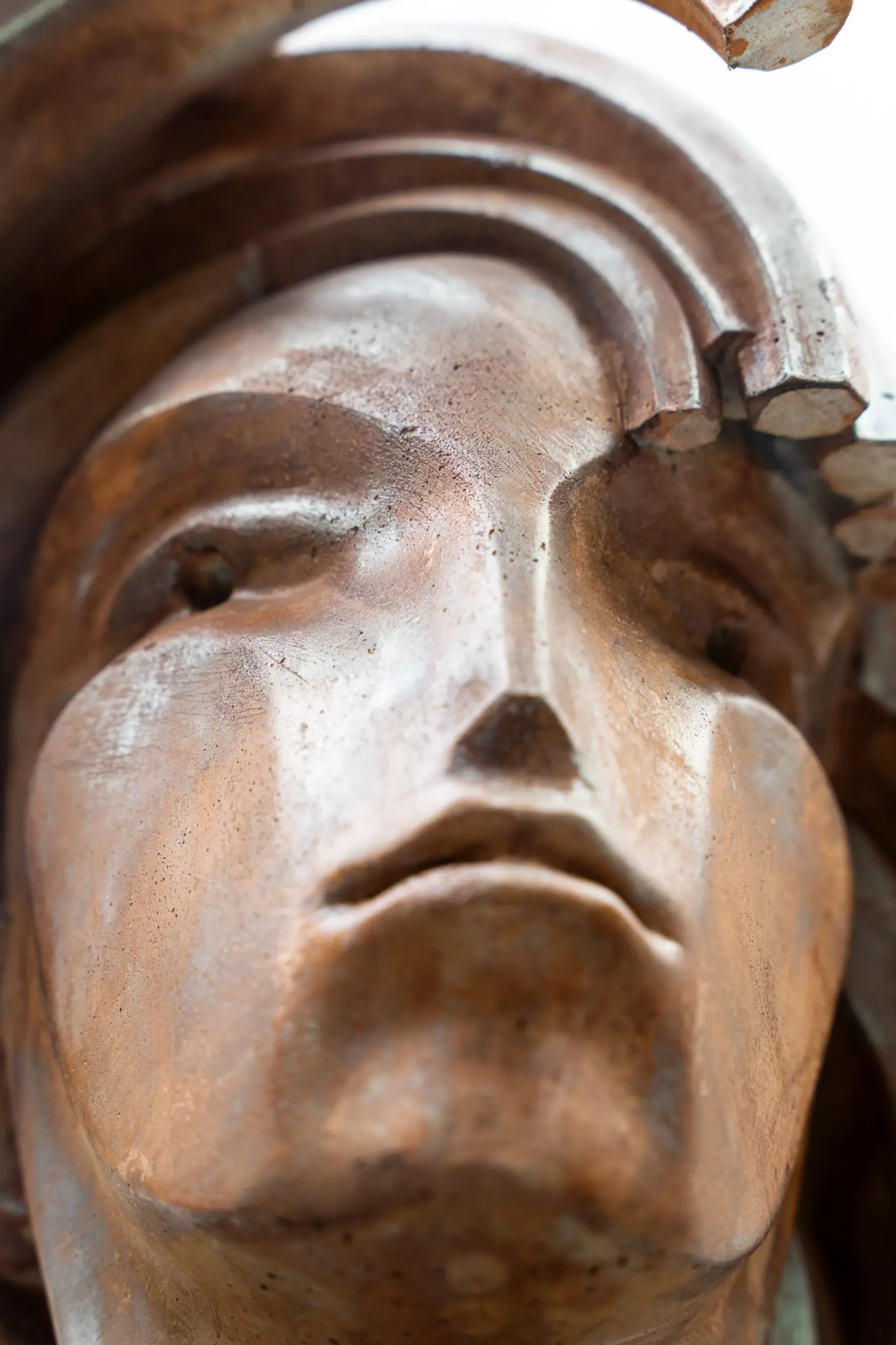
Bronze, aluminum, steel, stone, wood, glass, resin, or less conventional materials can profoundly alter our perception of the same shape.
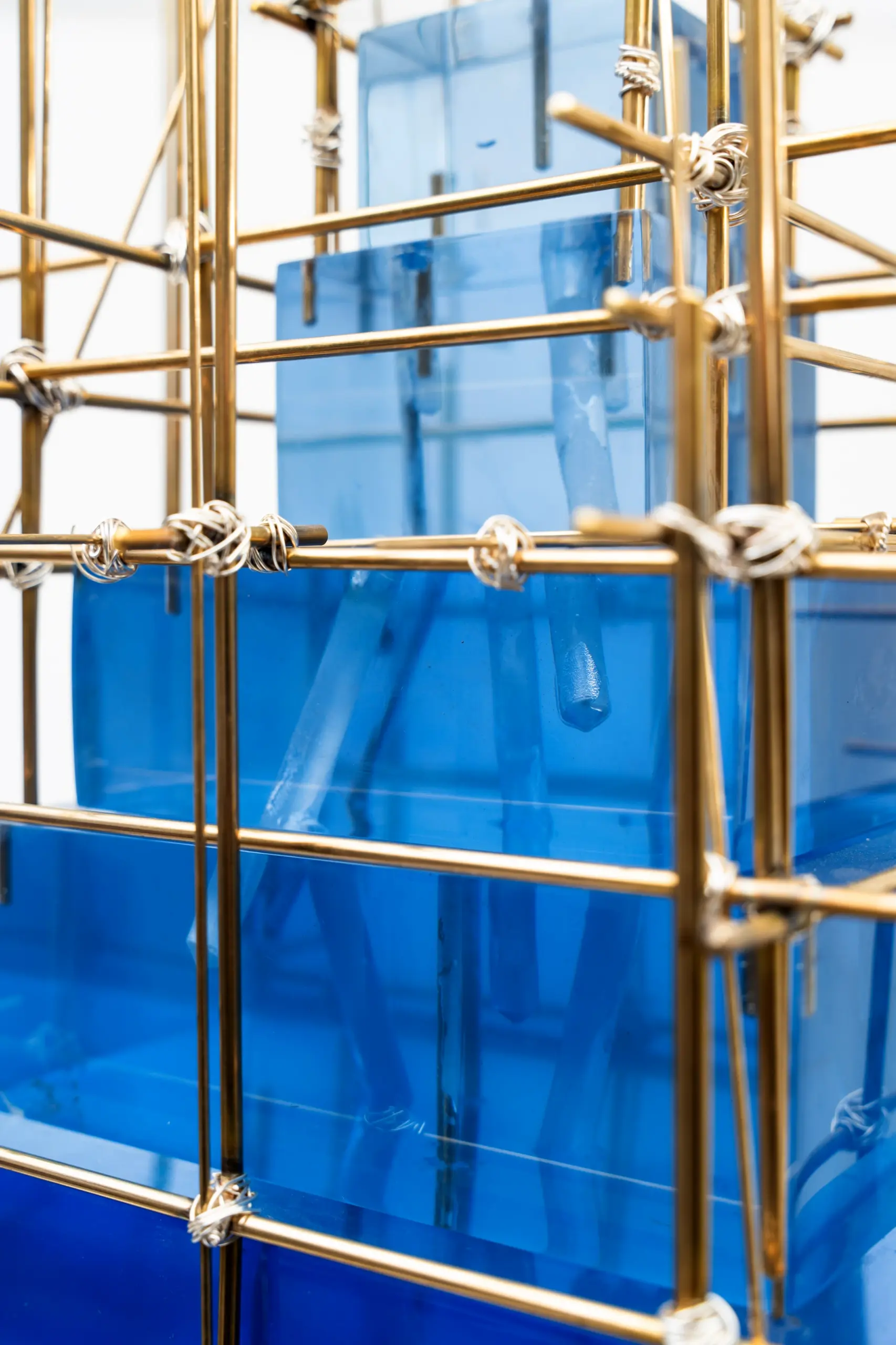
The visual impact of a piece—the way it reflects or absorbs light, its texture, its transparency, its temperature, or even the way it ages—is all part of the experience of the work.
For this reason, the process of taking a sculpture from an initial idea to its final form requires a combination of artistic sensibility and a deep understanding of materials and production processes.
In many cases, moreover, achieving the result the artist envisions requires research, experimentation, and the development of specific technical solutions for a particular work.
Artist-Created Sculpture at DELAFUENTEART PROJECT
At DELAFUENTEART PROJECT, we understand that the creation of a signature sculpture begins with understanding the artist's intention.
Based on this, we study the materials, processes, scale, technical solutions, and finishes needed to transform an idea into a physical reality without losing what defines the work.
Every project presents different challenges.
The choice between metal, stone, wood, glass, resin, or other materials is not based solely on their technical properties. Each material alters the perception of form, light, surface, weight, and the sculpture’s relationship to space.
Our job is to support the artist throughout that process, providing technical expertise and production capabilities to find solutions that bring their artistic vision to life.
Technology, engineering, knowledge of materials, and craftsmanship thus come together within a single process.
Depending on the project, the process may involve everything from 3D modeling and digitization to machining, casting, welding, surface treatments, painting, resin-based processes, assembly, or structural solutions developed specifically for each project.
But technology and technique are not the goal.
They are tools used in construction.
A sculpture can profoundly transform a space, but what sets it apart from an object designed solely for decorative purposes does not depend on where it is placed or how much it stands out within a room.
It depends fundamentally on the intention behind it, the identity of its creator, and the process that transforms that intention into a tangible form.