WÉN
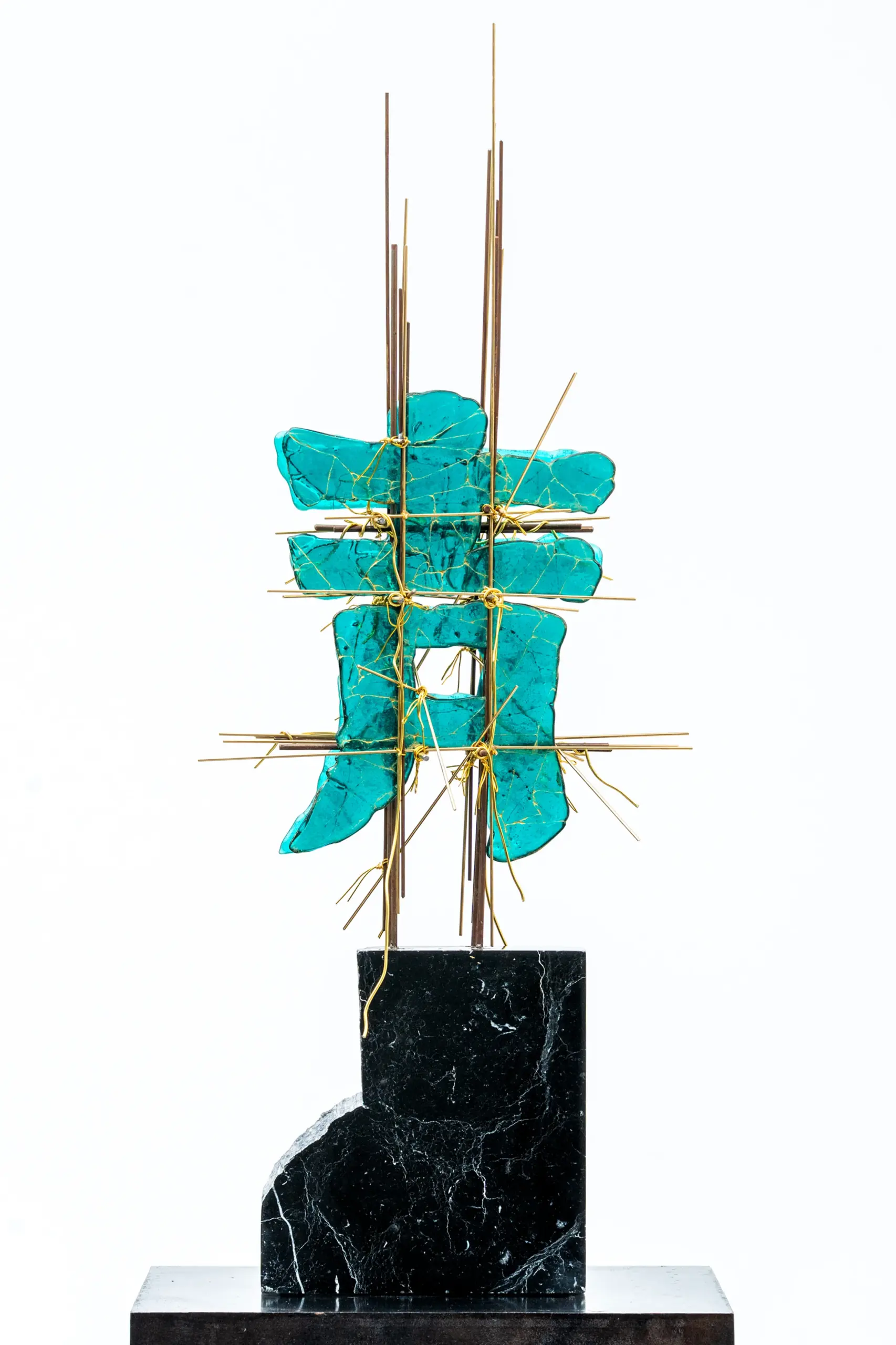
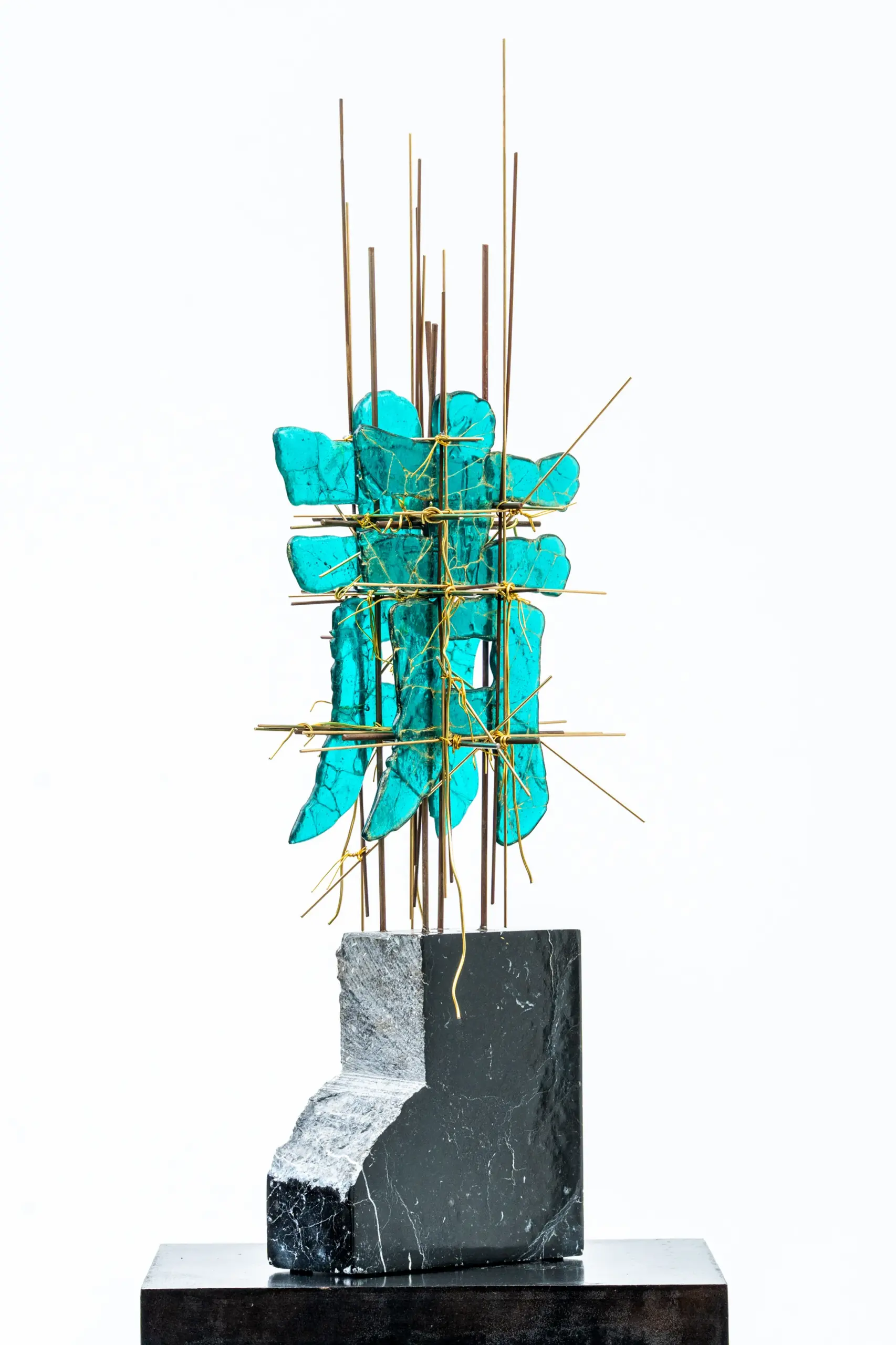
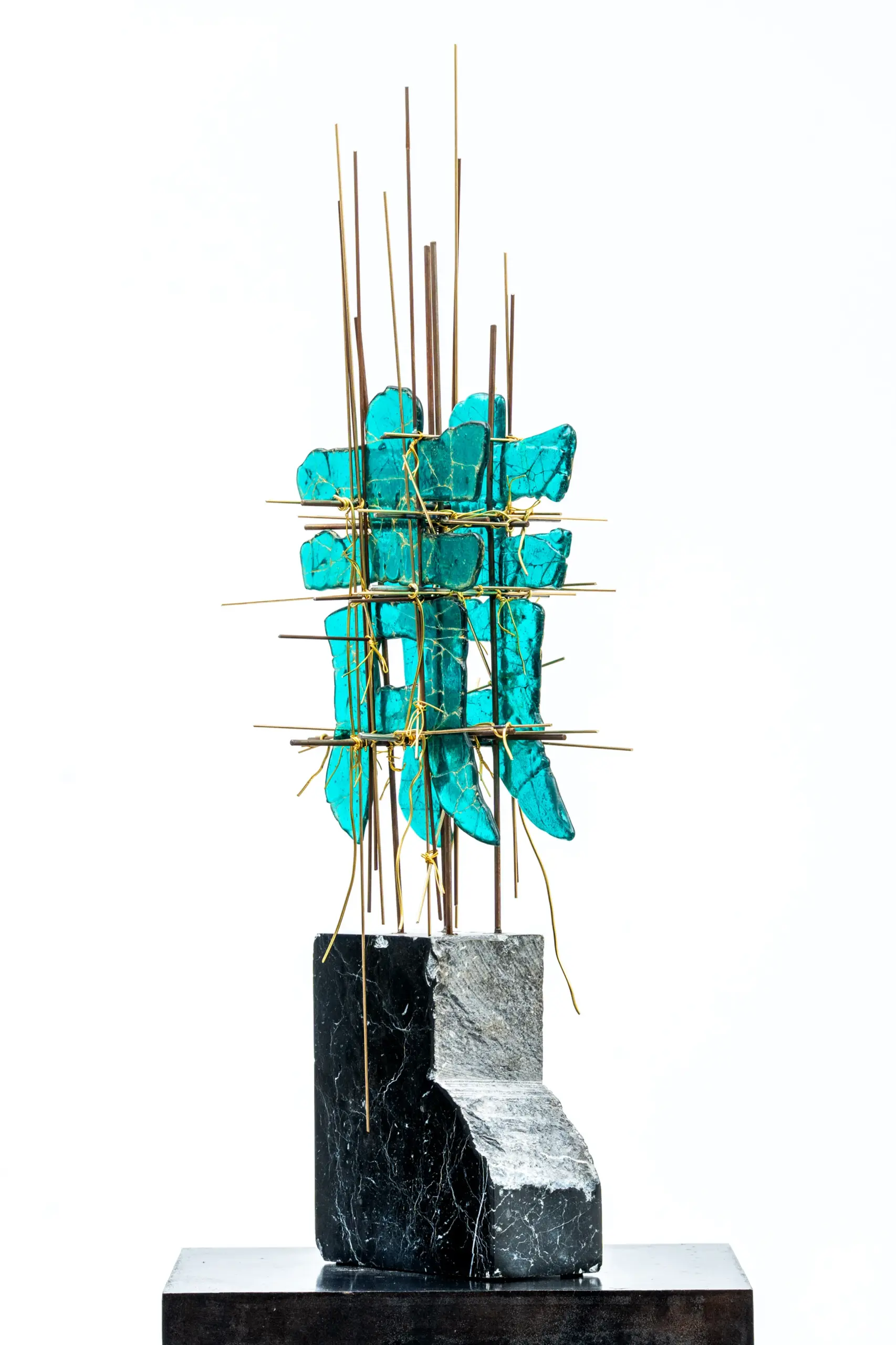
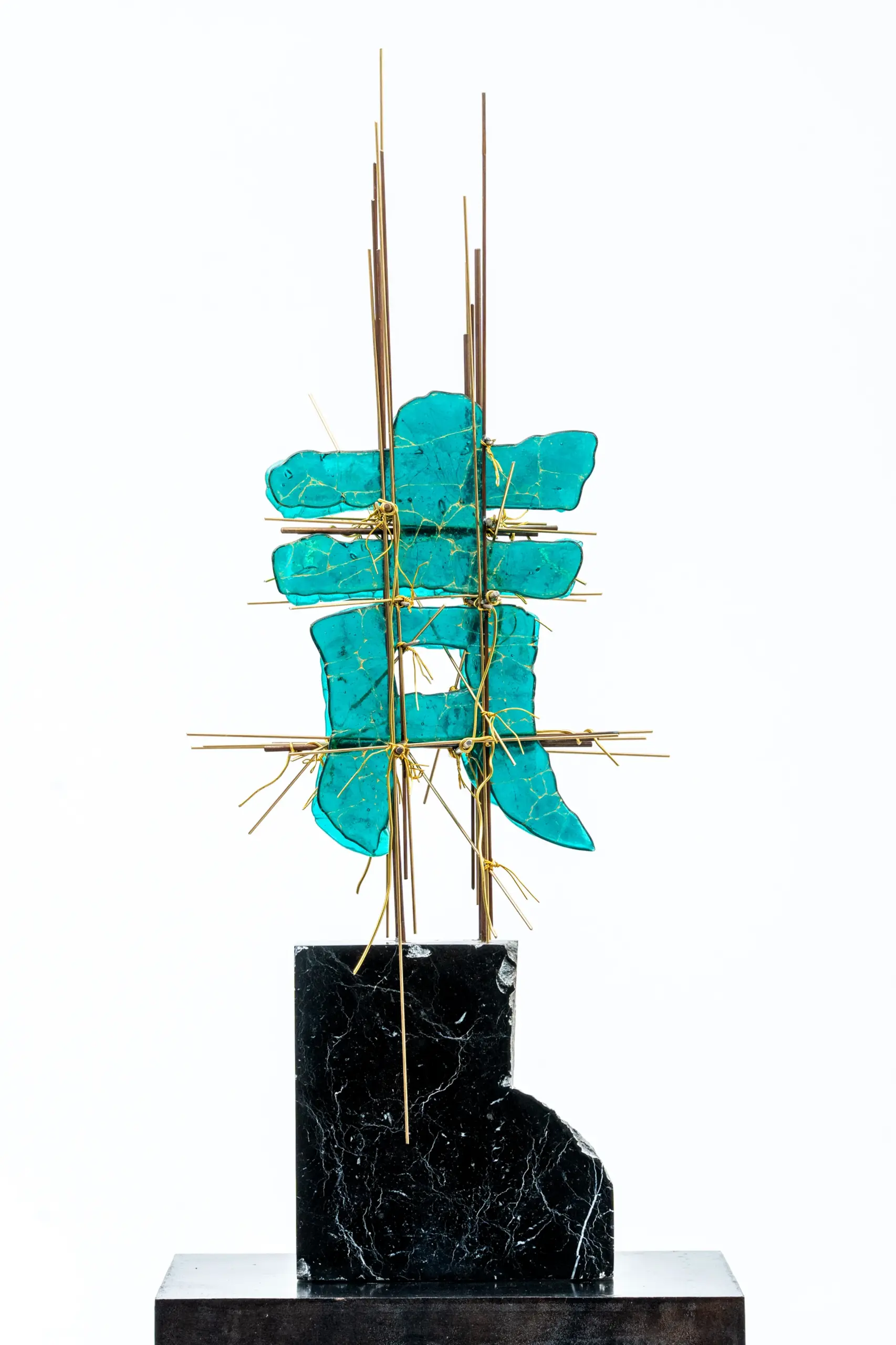
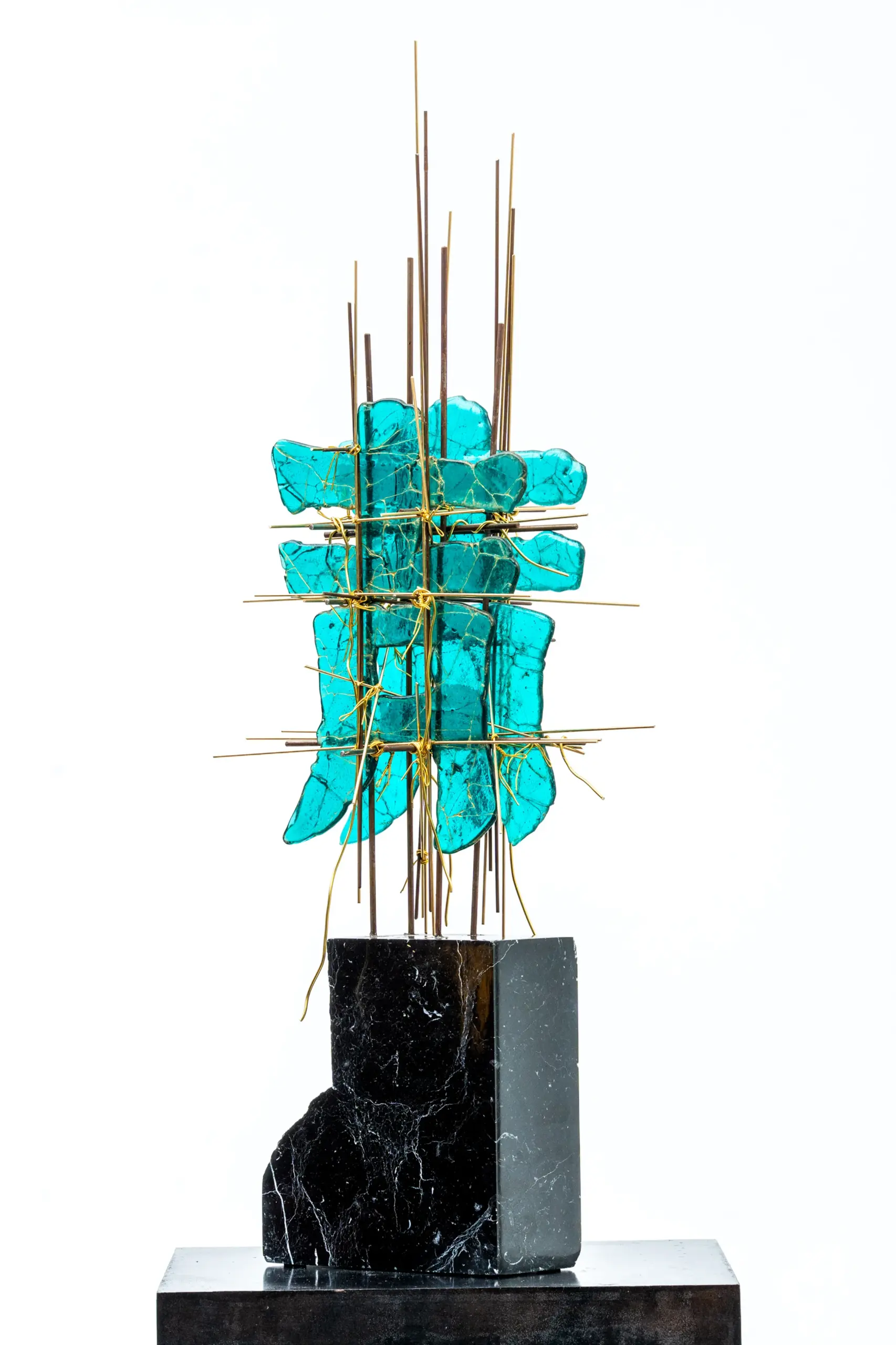
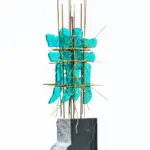
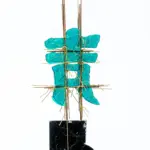
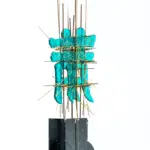
WÉN takes its name from the Chinese ideogram 文, associated with the origin of writing, the primordial stroke, and the cultural order that emerges from the sign. It is not a letter or a message, but rather the imprint of a symbolic system in formation.
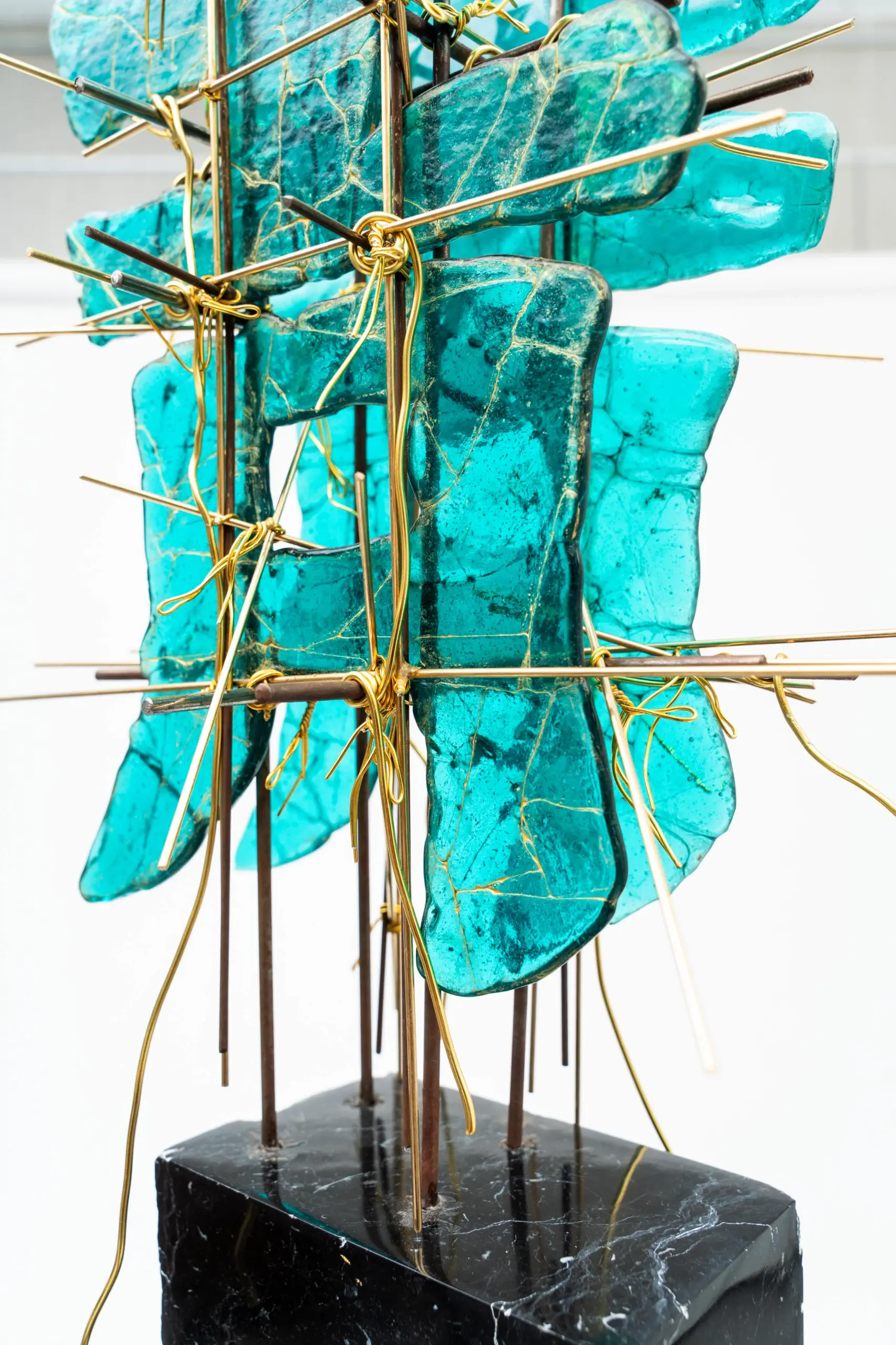
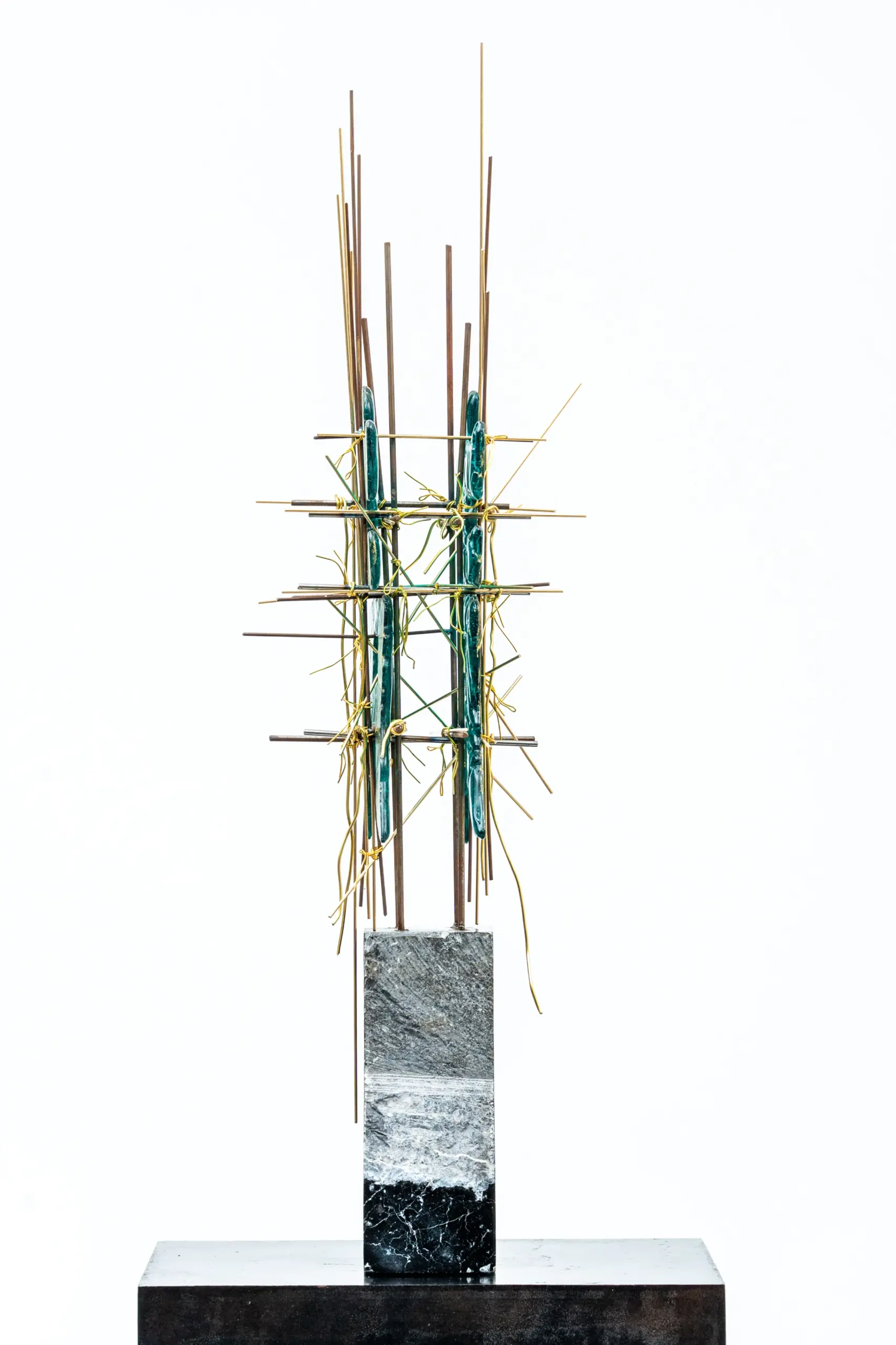
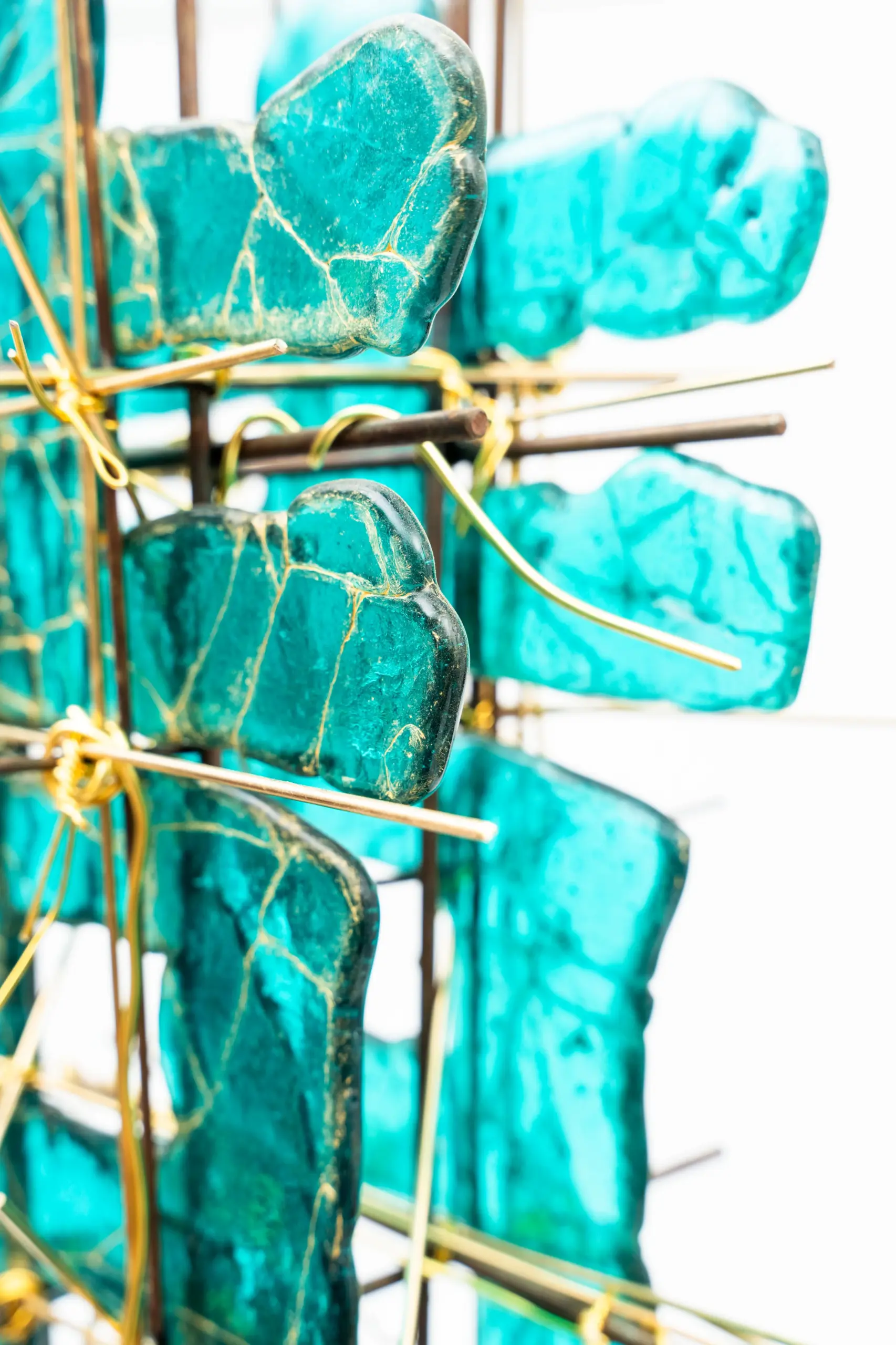
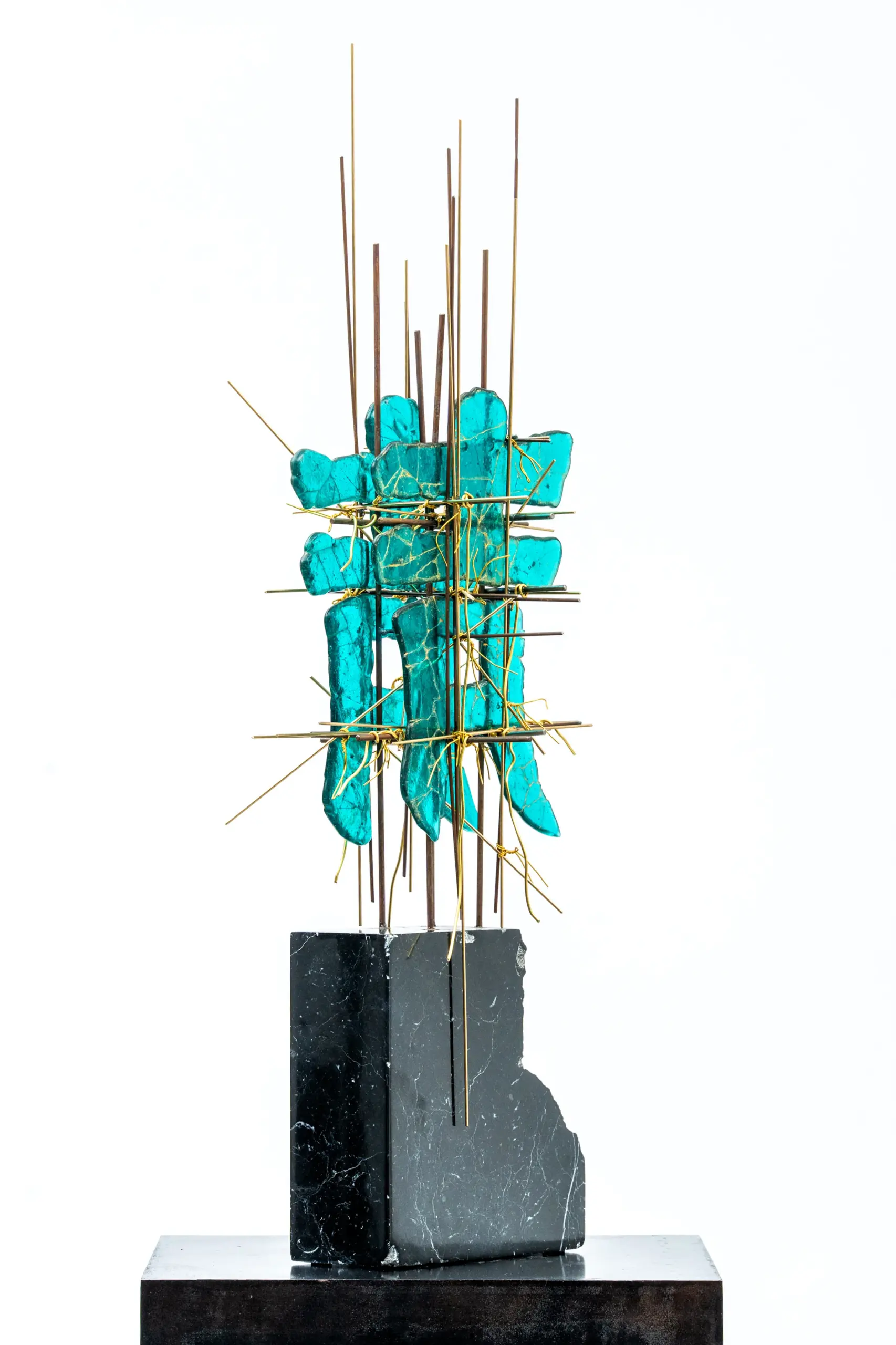
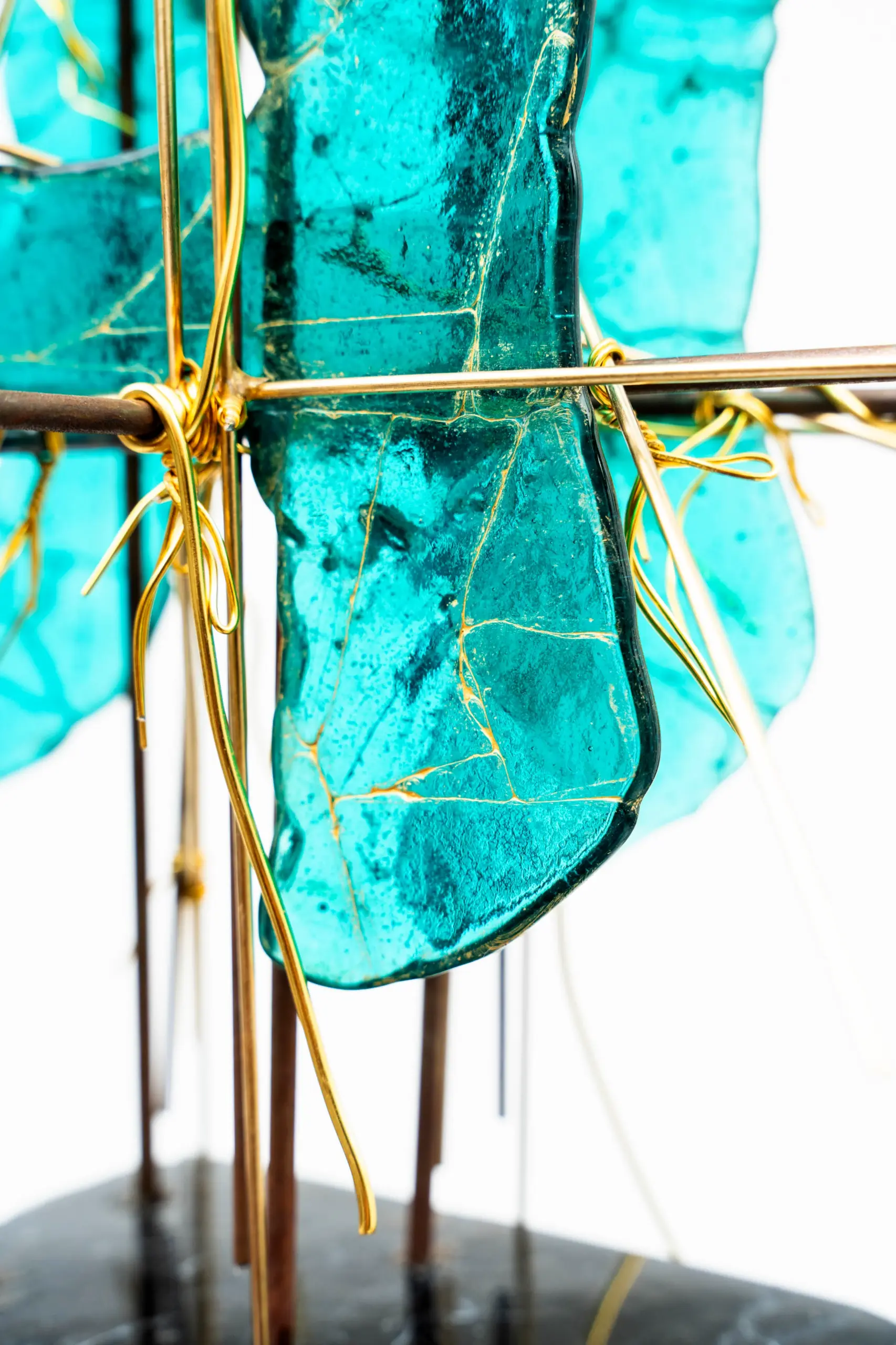
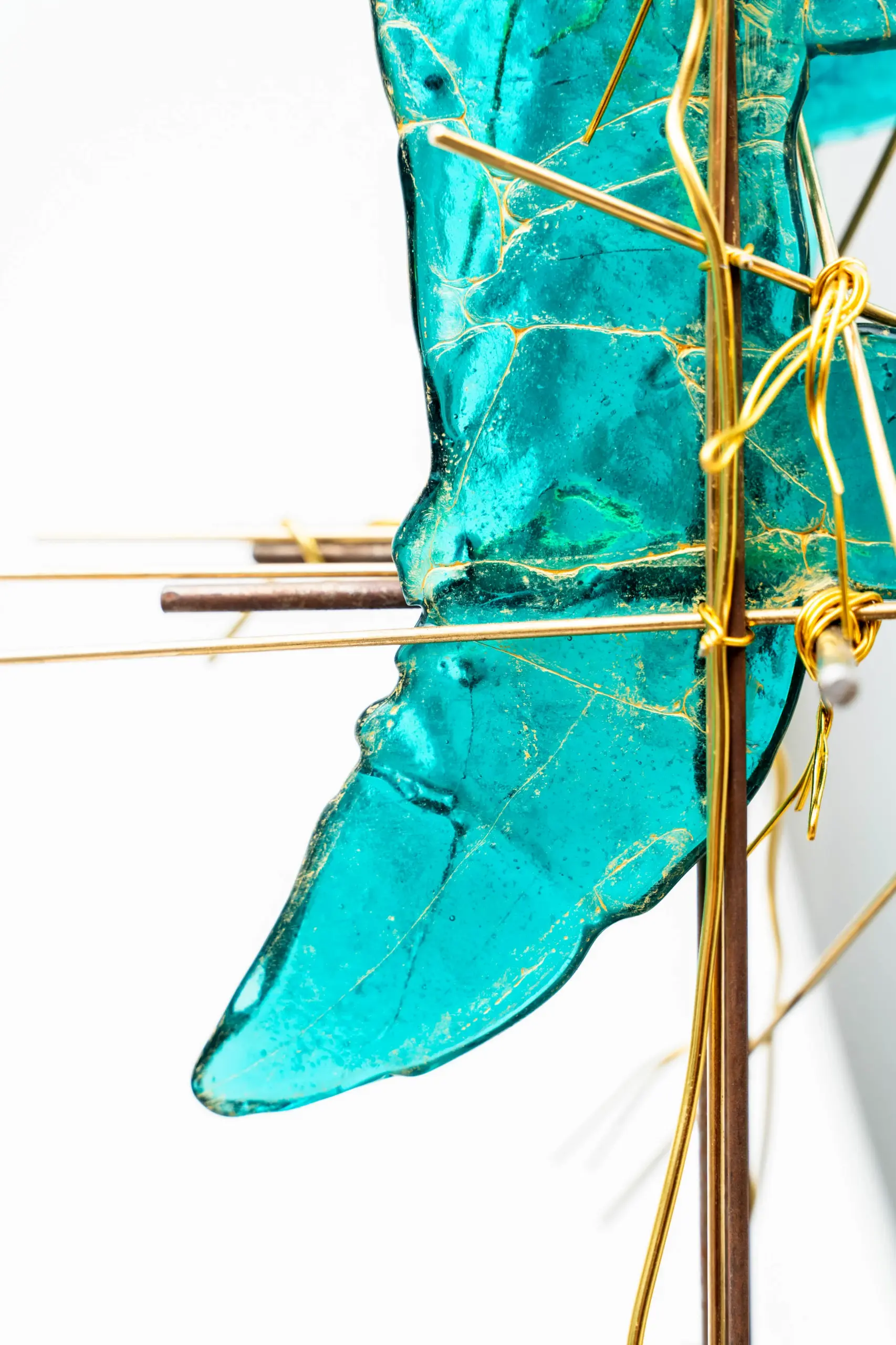
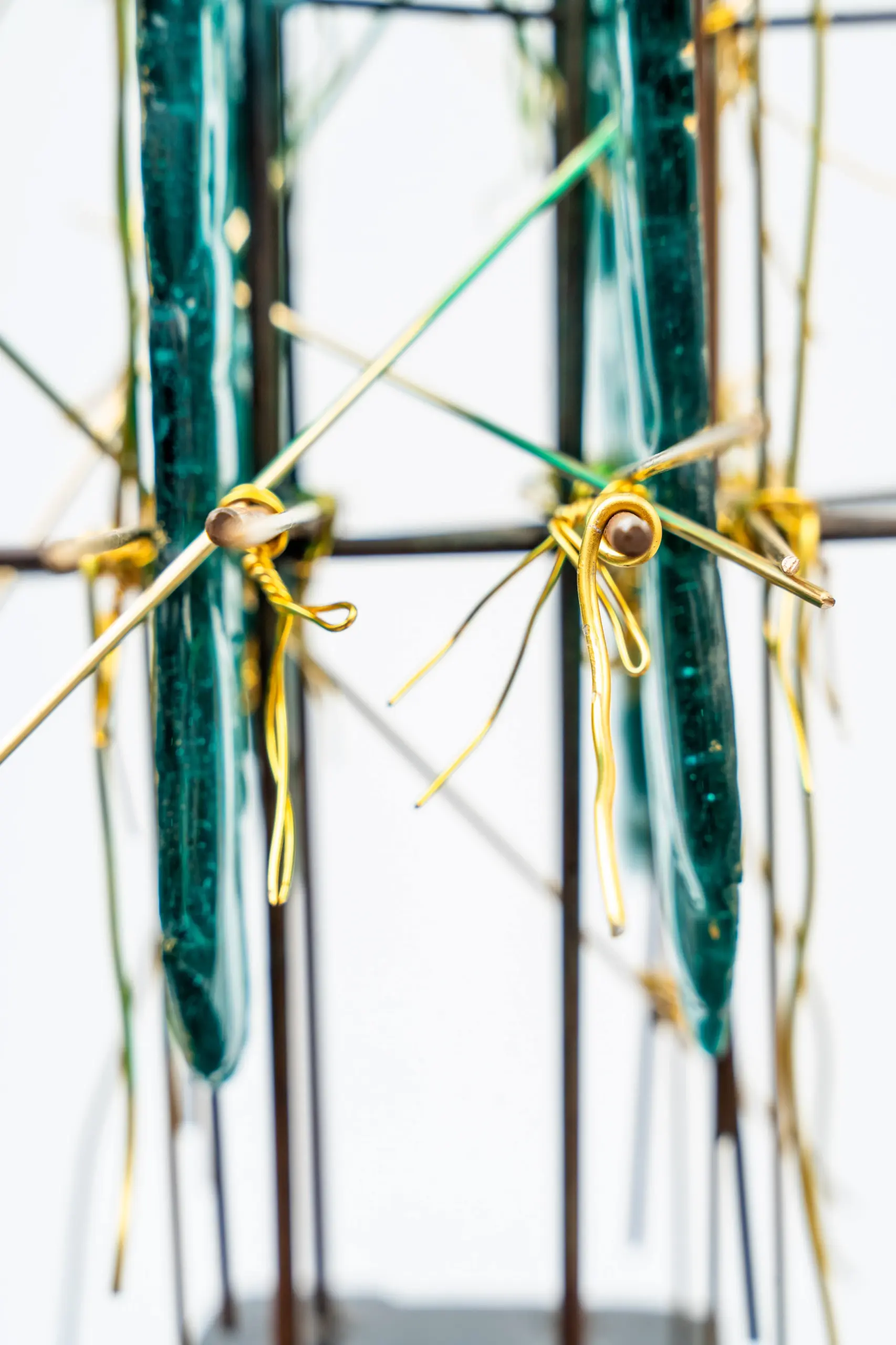
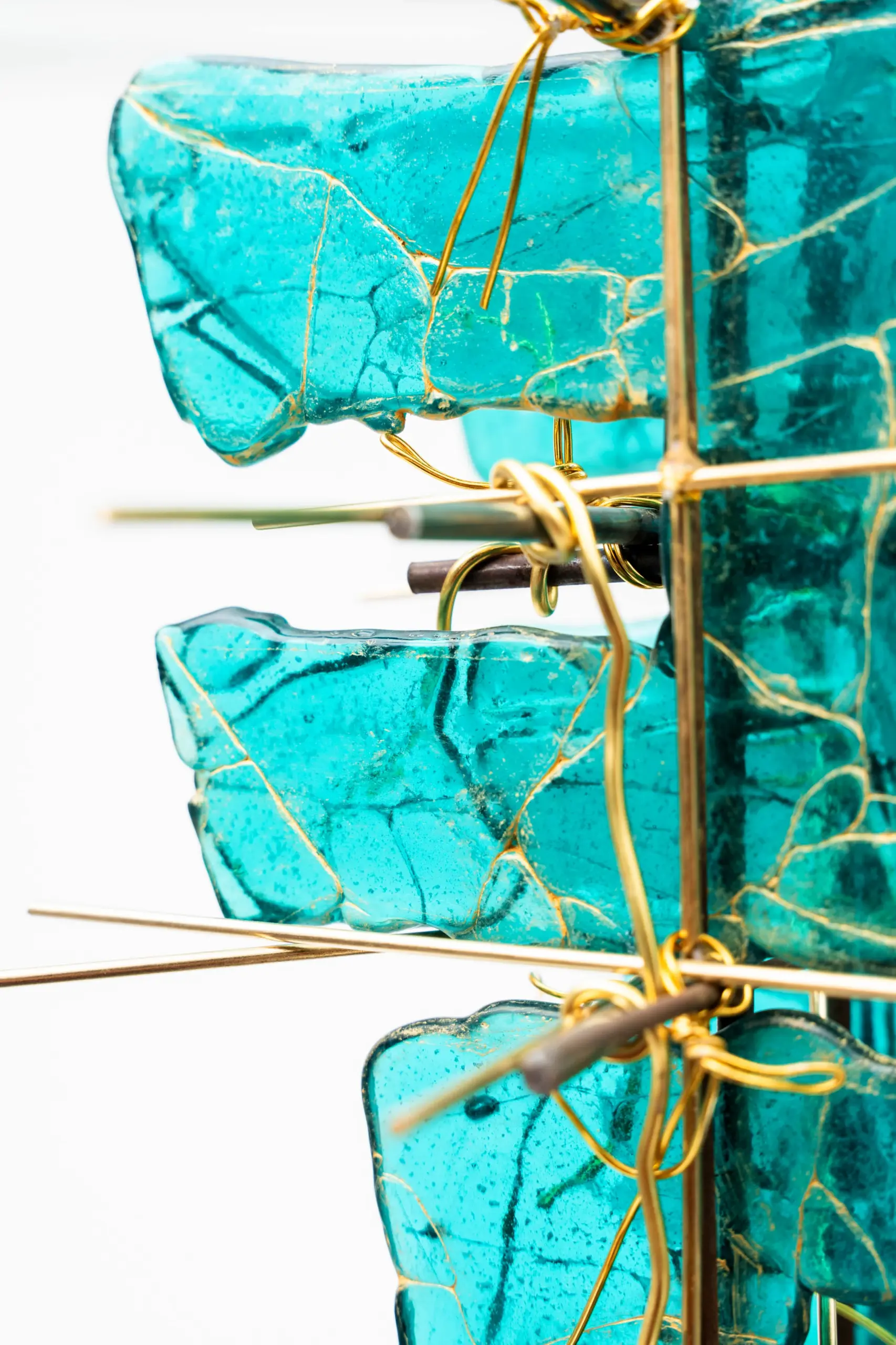
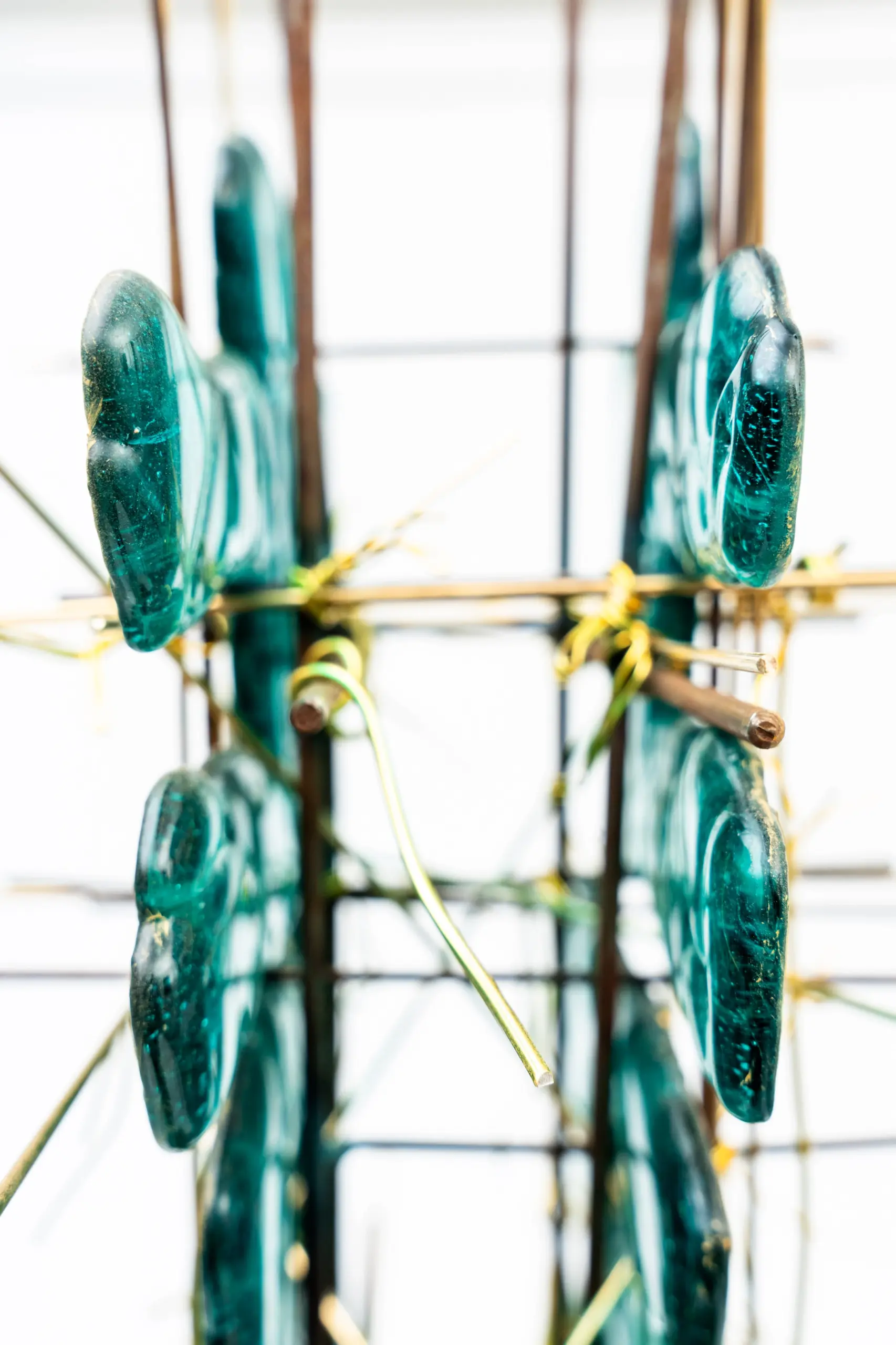
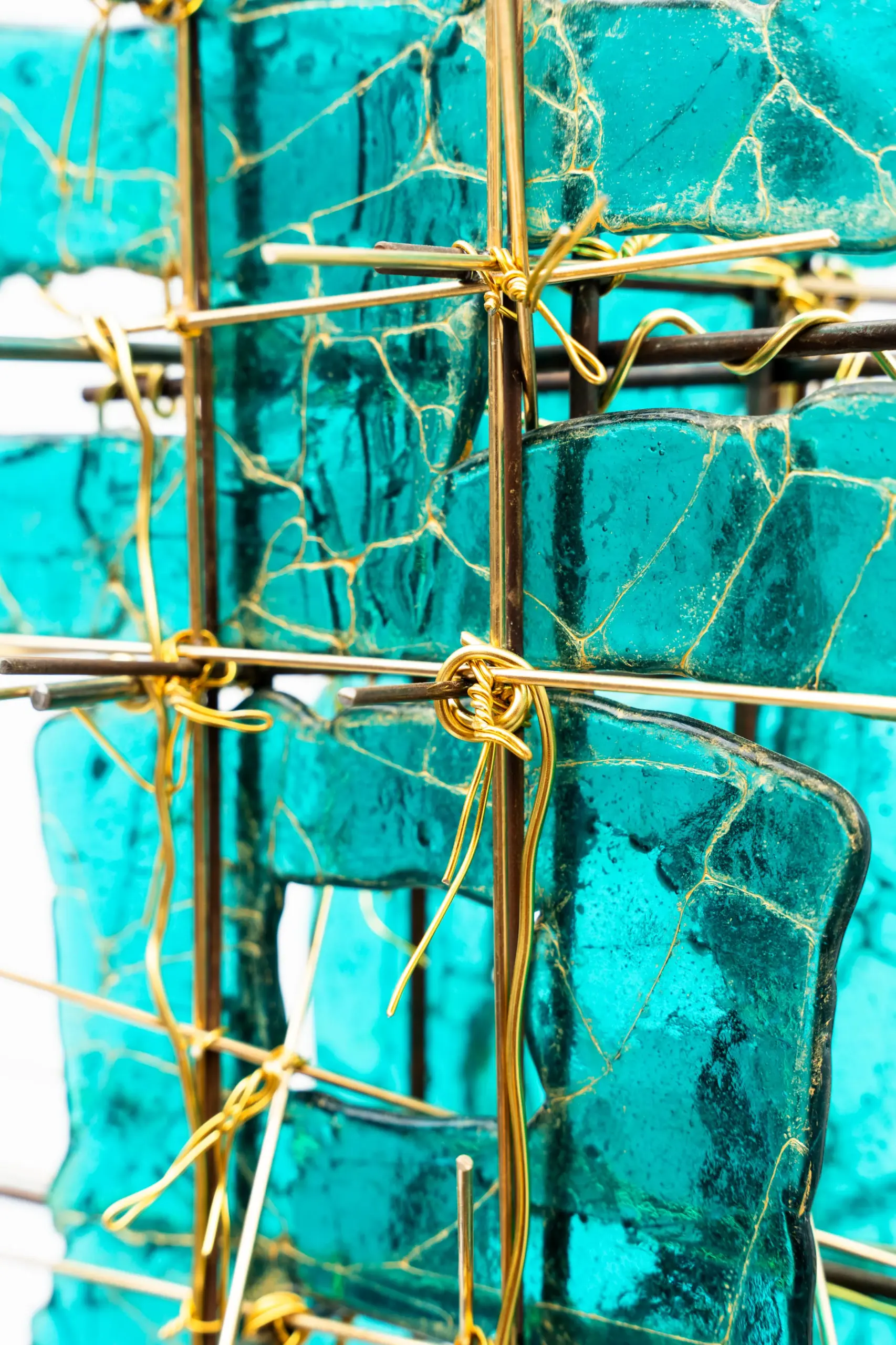
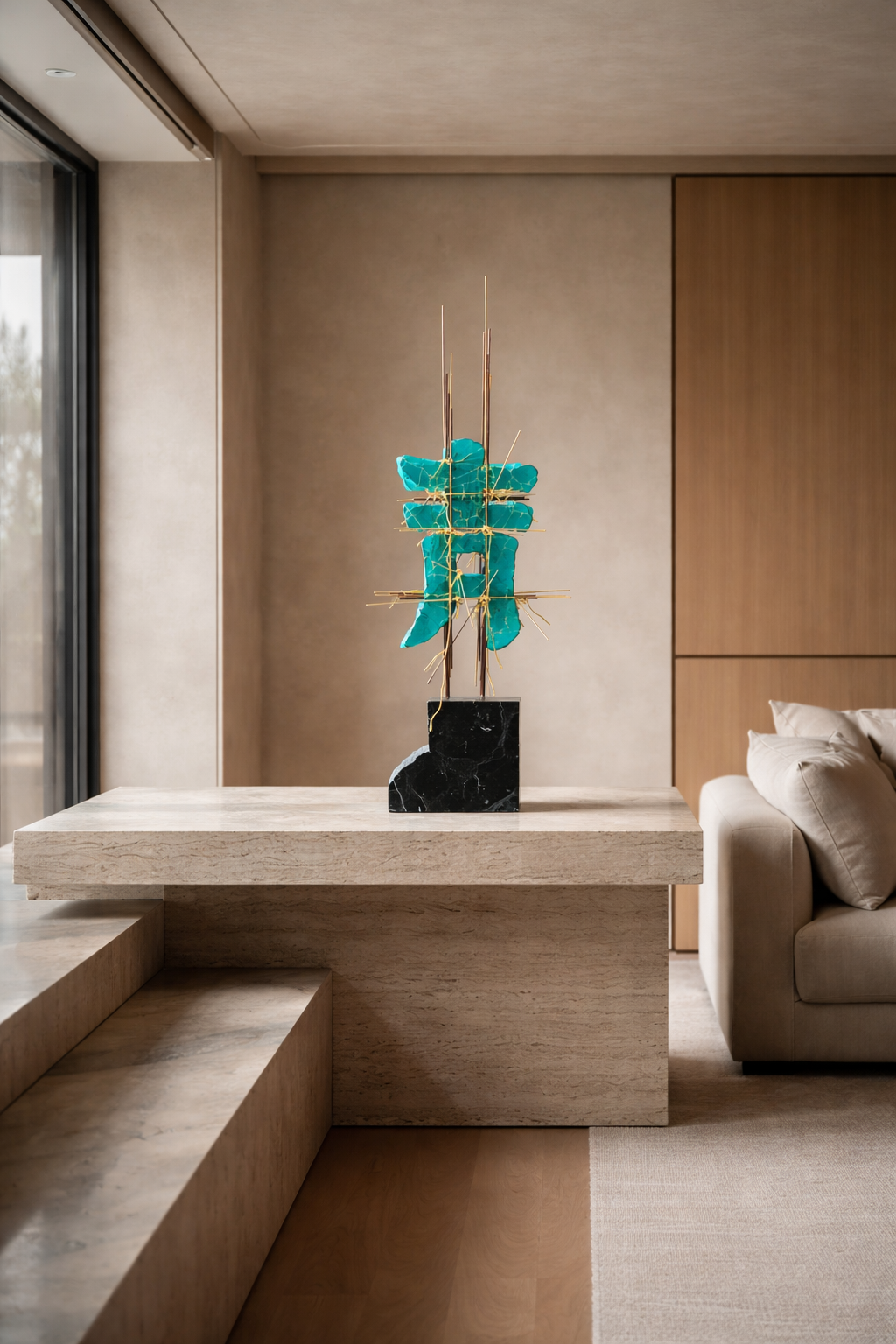
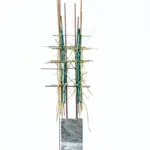
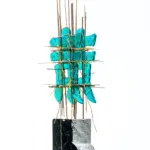
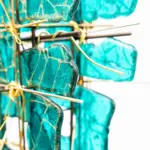
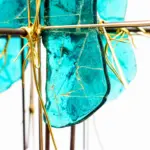
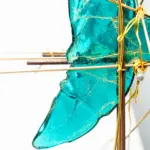
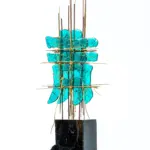
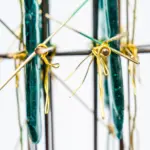
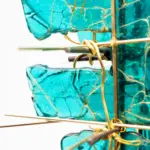
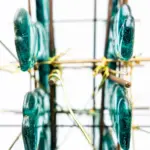
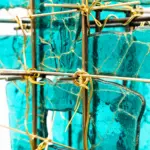
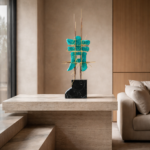
The sculpture is articulated by translucent turquoise fragments, crossed and contained by a structure of metal rods that act as support, tension, and boundary. The material appears fractured but sustained, as if the sign were being constructed and, at the same time, subjected to pressure. Nothing is completely fixed: everything seems provisional, in unstable equilibrium.
The black marble, base and anchor, introduces weight, memory, and permanence. Opposite it, the upper form rises like a sign suspended between the material and the conceptual, between the ancestral and the contemporary.
In my work on the symbols that have accompanied the development of civilization, WÉN alludes to the birth of language and the fragility of systems of meaning: complex structures built from fragments, tension, and repetition, always open to reinterpretation.
Jesus de la Fuente.
15.000,00 € VAT not included
18.150,00 € VAT included
International shipping.
Includes Certificate of Authenticity.
Jesus de la Fuente
Spain, 1972
Sculptor and producer. Initially trained in photography, his work is based on a deep understanding of light, volume, and form. Since 1997, he has been developing his practice around sculptural production, materials, and processes, currently directing the DELAFUENTEART studio-workshop, which specializes in international sculpture research and production.